


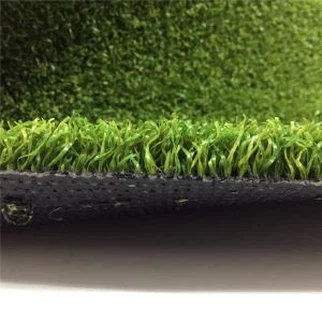
Artificial grass is becoming increasingly popular as a low-maintenance alternative to natural grass. It provides an even surface for sports and recreation, and is also used in landscaping applications. One of the key features of artificial grass is the use of rubber particles to fill the space between the blade-like fibers of the grass. This serves several important purposes.
Firstly, the rubber particles act as a cushioning layer, helping to absorb shock and reduce the risk of injury during sports activities. This makes artificial grass safer and more comfortable to play on than natural grass.
Secondly, the rubber particles help to provide the grass with stability and structure. Without these particles, the individual blades of grass would be more prone to matting, which can contribute to wear and tear.
In addition to these benefits, rubber particles also improve the drainage of artificial grass. They help to prevent the buildup of water on the surface of the grass, which can make it slippery and unsafe to play on.
Finally, the use of rubber particles in artificial grass is also environmentally responsible. It provides a way to recycle and reuse rubber materials that might otherwise be discarded, which is good for the environment.
Overall, the use of rubber particles in artificial grass serves several important purposes and helps to make this innovative product safer, more durable, and better for the environment.
Jan 16, 2024
Why is artificial grass filled with rubber particles?
You Might Also Like


Send Message