How to Choose the Best Artificial Grass Manufacturer in China in 2026?
China has become the world's largest manufacturing hub for artificial grass, supplying synthetic turf products to Europe, North America, the Middle East, Southeast Asia, and many other global markets. As the demand for landscaping grass, sports turf, pet turf, and commercial artificial lawn continues to grow, buyers are facing an increasingly important question:
How do you choose the right artificial grass manufacturer in China?
With thousands of suppliers available online, selecting the wrong factory can lead to poor product quality, delayed shipments, unstable pricing, and costly project failures. In 2026, global buyers are no longer only searching for the cheapest artificial turf supplier - they are looking for reliable manufacturing partners with stable quality, export experience, and long-term cooperation capability.
This guide explains the most important factors to consider when choosing an artificial grass manufacturer in China and how to avoid common sourcing mistakes.
Among the experienced manufacturers in the industry, companies such as JS Grass have gained attention from global buyers for providing stable quality, flexible OEM solutions, and reliable export services for landscaping and commercial projects.
1. Check Whether the Manufacturer Has Its Own Factory
One of the first things buyers should verify is whether the supplier is a real manufacturer or simply a trading company.
A professional artificial grass factory usually has its own production workshops, yarn production equipment, backing production lines, quality inspection systems, and export departments.
Factories with independent production capabilities typically offer better price control, more stable delivery schedules, and stronger customization support.
Many B2B buyers today prefer working directly with manufacturers because communication becomes more efficient and product specifications can be adjusted according to project requirements.
For example, JS Grass operates its own production facility and supports customized artificial turf solutions for distributors, contractors, and wholesalers in multiple international markets. Direct factory cooperation can help buyers improve communication efficiency and maintain more stable supply chains.
2. Evaluate Product Quality and Raw Materials
Not all synthetic turf products are manufactured to the same standard. Low-quality artificial grass may experience color fading, yarn shedding, poor drainage, surface flattening, and backing cracking after long-term outdoor use.
When comparing suppliers, buyers should carefully evaluate yarn material, UV resistance, density, stitch rate, drainage performance, backing structure, and flame-retardant capability.
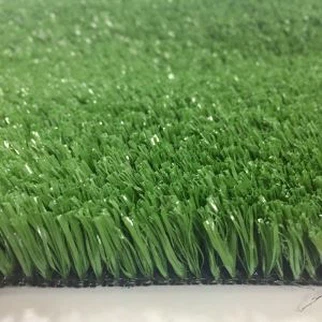
High-quality artificial turf usually features soft and dense grass fibers, durable backing systems, and high liquid permeability for faster drainage. In recent years, many global customers have also started prioritizing environmentally friendly and recyclable turf materials.
3. Look for Export Experience and International Certifications
Export experience matters significantly in international trade. A factory that regularly exports artificial grass products is more likely to understand international quality standards, packaging requirements, shipping procedures, customs documentation, and regional market preferences.
Manufacturers with extensive overseas experience are generally better at handling communication, after-sales service, and urgent production schedules, which is critical for long-term B2B cooperation.
4. Compare Customization Capabilities
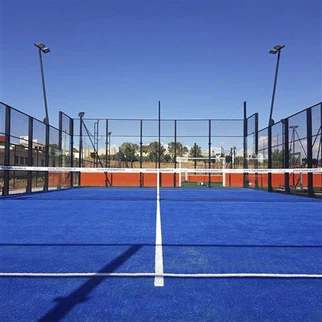
Different markets require different types of artificial grass. Landscaping turf is popular in residential and commercial projects, while sports turf requires professional performance standards. Pet turf focuses on drainage and odor control, and golf grass requires precise yarn height and density.
A strong manufacturer should be able to customize pile height, color combinations, density, backing structure, roll width, roll length, and packaging according to project requirements.
Customization flexibility is especially important for wholesalers and distributors building private-label brands in competitive international markets.
5. Do Not Choose Suppliers Based Only on Price
Many buyers make the mistake of selecting suppliers based only on the lowest quotation. However, extremely low prices often indicate compromises in raw materials or production quality.
- Frequent replacement costs
- Negative customer feedback
- Project delays
- Damage to brand reputation
Instead of focusing only on price, buyers should consider product lifespan, warranty support, production consistency, communication efficiency, and long-term cooperation value.
6. Review Real Project Cases and Customer Support
A trustworthy artificial grass manufacturer should be able to provide real project photos, installation references, customer feedback, and product testing reports.
Factories with strong project experience often better understand the practical challenges faced by contractors and distributors.
In addition, responsive customer support has become increasingly important in 2026. Buyers prefer suppliers that provide fast quotation responses, technical support, sample services, and stable after-sales communication.
Conclusion
Choosing the best artificial grass manufacturer in China requires more than simply comparing prices online. Buyers should carefully evaluate factory strength, product quality, export experience, customization capability, and long-term reliability.
As global demand for synthetic turf continues to grow, experienced suppliers such as JS Grass are increasingly focusing on product durability, fast delivery, and customized support for overseas B2B customers.
For global B2B buyers, selecting the right supplier is not just a purchasing decision - it is a long-term business investment.