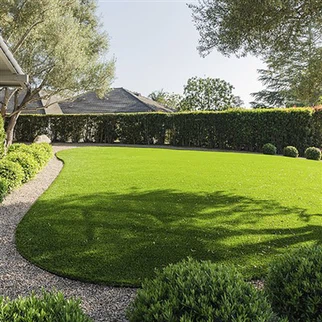
Artificial grass is a practical way to transform ordinary concrete surfaces into attractive, green outdoor spaces. From apartment balconies and small patios to rooftop terraces and commercial courtyards, artificial turf offers a low-maintenance alternative to natural grass without requiring soil or regular mowing. However, installing artificial grass on concrete comes with one important consideration: drainage. Unlike natural soil, concrete does not absorb rainwater. Without a properly designed drainage system, water can accumulate beneath the turf, potentially causing unpleasant odors, hygiene concerns, and premature wear. So, how can you keep artificial grass looking fresh and performing well in a limited space? The key is choosing the right drainage solutions for small areas and understanding how different drainage components work together.
Understanding Drainage Challenges for Artificial Grass on Concrete
Before selecting a drainage solution, it is important to understand why concrete installations require special attention. Concrete is an impermeable surface, meaning rainwater cannot naturally soak into the ground. Instead, water must travel across the surface toward a suitable drainage outlet. According to the U.S. Environmental Protection Agency (EPA), developed areas with 75%–100% impervious cover can generate approximately 55% stormwater runoff, compared with just 10% under natural ground cover in its illustrated water-balance comparison. This demonstrates why proper runoff management matters when working with paved surfaces. You can learn more from the EPA's Protecting Water Quality from Urban Runoff.
For small concrete areas, drainage challenges can be even more noticeable. Balconies may have only one floor drain, patios may have insufficient slopes, and rooftop terraces often have limited installation height. If water becomes trapped beneath artificial grass, it may create a damp environment where dirt, organic debris, and pet waste accumulate. Over time, this can lead to unpleasant smells and additional maintenance. Therefore, successful artificial grass installation requires more than simply choosing a turf product with drainage holes. The concrete surface, drainage layer, and water outlet must function as one integrated system.
Five Best Drainage Solutions for Artificial Grass on Concrete
Choose Artificial Grass with Perforated Backing
The first step is selecting artificial grass with an appropriate drainage backing. Most quality outdoor artificial turf products feature drainage holes that allow water to pass through the backing rather than remain trapped on the surface. When rainwater or cleaning water penetrates the turf, these openings help direct it toward the concrete surface or an underlying drainage layer. However, drainage-hole design, spacing, and backing construction can vary between products. For buyers, it is important to request product specifications and relevant water permeability test results instead of assuming all perforated backings offer the same performance. This option works particularly well for balconies, patios, and small courtyards where installation simplicity is a priority.
Install a Drainage Mat Beneath Artificial Turf
A drainage mat is one of the most useful solutions when installing artificial grass over concrete, especially where water needs to move horizontally toward a floor drain. Installed between the concrete and artificial turf, the mat creates a small drainage space that helps water flow beneath the surface. Depending on the design, some drainage mats also provide cushioning and help reduce direct contact between the turf backing and standing moisture. When selecting a drainage mat, consider its thickness, load-bearing capacity, water-flow channels, and compatibility with the artificial grass backing. It is particularly suitable for rooftop terraces, commercial patios, and residential outdoor spaces where additional drainage capacity is needed.
Create a Proper Slope on the Concrete Surface
Even the best drainage mat cannot compensate for a poorly designed concrete foundation. A suitable surface slope allows water to move naturally toward a floor drain, drainage channel, or designated outlet. For new installations, the concrete surface should be designed with a positive drainage gradient based on the site layout and local building requirements. For existing flat surfaces, a professional installer may need to assess whether a suitable leveling or slope-forming layer can be added. It is also important to check that the artificial grass installation does not obstruct the existing drainage route. This solution is particularly valuable for patios, rooftop gardens, and enclosed courtyards where rainwater has limited escape routes.
Use Perimeter Drainage Channels
For small outdoor spaces surrounded by walls, fences, or raised edges, perimeter drainage channels can provide an effective way to collect and redirect excess water. These channels are typically installed along the edges of the concrete surface, allowing runoff to move toward a connected drainage outlet. Linear drains are especially useful in narrow courtyards and enclosed patios where water cannot flow freely toward an open area. When planning this system, make sure the drainage channel is positioned at an appropriate low point and remains accessible for cleaning. Leaves, dirt, and other debris can gradually block the channel and reduce its effectiveness, so regular maintenance should be included in the project plan.
Connect Artificial Grass Drainage to Existing Floor Drains
In many small-area projects, the simplest solution is to make better use of existing floor drains. Apartment balconies, rooftop terraces, and concrete patios often already have drainage outlets, but their positions may limit how water flows beneath the artificial grass. During installation, the turf and any drainage underlay should be arranged to maintain a clear pathway toward these outlets. Avoid covering drains with adhesive, edging materials, or tightly fitted components that prevent water from reaching them. For pet-friendly areas, this consideration is especially important because cleaning water and pet urine must also have a practical drainage route. Always confirm that the existing outlet has sufficient capacity and is functioning properly before installation.
How to Install Artificial Grass on Concrete: A Step-by-Step Guide
A successful installation begins with proper surface preparation. First, clean the concrete thoroughly, removing dust, loose debris, oil, and other contaminants that could interfere with adhesion. Next, inspect the surface for cracks, uneven sections, existing floor drains, and drainage slopes. Once the foundation is ready, determine whether a drainage mat or additional drainage channels are necessary for the project. Roll out the artificial grass, allow it to settle, and cut it carefully to match the installation area. Make sure the grass fibers face the same direction across adjacent sections to achieve a consistent appearance. Secure the edges using suitable outdoor adhesives or other recommended fixing methods, while keeping drainage outlets unobstructed. Finally, conduct a water test by applying water evenly across the surface and observing how it travels through the turf and toward the drainage outlet. This final inspection helps identify potential pooling problems before the area is put into use.
How to Choose the Right Artificial Grass for Concrete Applications
Choosing the right artificial grass is just as important as designing the drainage system. For concrete applications, buyers should pay particular attention to backing construction, drainage-hole distribution, material durability, and suitability for outdoor conditions. A perforated backing can help water pass through the turf, while UV-resistant materials support long-term outdoor performance. Pile height and density should also match the intended application. For example, a compact balcony may benefit from a shorter, easy-to-maintain product, while a residential patio or commercial landscape project may require a more natural appearance and softer underfoot feel. For wholesalers, distributors, and landscape contractors, working with a manufacturer that offers different specifications and customization options makes it easier to serve customers with different project requirements.
Why Work with a Professional Artificial Grass Manufacturer?
A reliable artificial grass manufacturer does more than supply rolls of turf. It helps buyers select suitable products based on their target markets, installation environments, and customer expectations. At JS, we understand that different applications require different product specifications. From pile height and yarn structure to backing materials and drainage-hole design, product customization can make a meaningful difference in the final installation. For global distributors, wholesalers, importers, and landscaping contractors, consistent manufacturing quality and dependable bulk supply are equally important. JS supports B2B customers with artificial grass product solutions, OEM and ODM services, and product selection assistance. By working with an experienced manufacturing partner, buyers can build a more competitive product portfolio and provide better solutions to their own customers.
Pile height, yarn structure, backing material, and drainage-hole design can all be tailored to your market.
Support for distributors and contractors who need their own specifications and branding.
Consistent manufacturing quality and dependable supply for global wholesale orders.
Conclusion
Installing artificial grass on concrete is an excellent way to make small outdoor spaces greener, more comfortable, and easier to maintain. However, long-lasting results depend on proper drainage planning. Perforated backing, drainage mats, suitable concrete slopes, perimeter channels, and accessible floor drains all play important roles in managing water effectively. There is no single solution for every project; the best approach depends on the surface condition, available drainage outlets, and intended use. At JS, we believe that choosing the right artificial grass is the first step toward a successful installation. Explore our artificial grass solutions and contact our team to discuss your project requirements, customized product options, and free samples.
Frequently Asked Questions (FAQs)
Can you install artificial grass directly on concrete?
Yes. Artificial grass can be installed directly on concrete if the surface is clean, stable, and has adequate drainage. Depending on the site conditions, an additional drainage mat may be beneficial.
How do you drain artificial grass on concrete?
Water can pass through perforated turf backing and move across the concrete surface toward a suitable drainage outlet. Drainage mats and perimeter channels can further improve water movement when required.
Do you need a drainage mat under artificial grass on concrete?
Not always. If the concrete has a suitable slope and effective drainage outlets, a drainage mat may not be necessary. However, it can be useful on flat surfaces or in areas where additional water-flow space is needed.
What is the best artificial grass for small concrete areas?
Look for artificial grass with a suitable perforated backing, good outdoor durability, UV resistance, and an appropriate pile height. The best specification depends on the intended application and local climate.
How do you prevent water pooling under artificial grass on concrete?
Start by checking the concrete slope and drainage outlets. Choose turf with suitable drainage holes, consider installing a drainage mat, and ensure that adhesives and edging materials do not block water pathways.