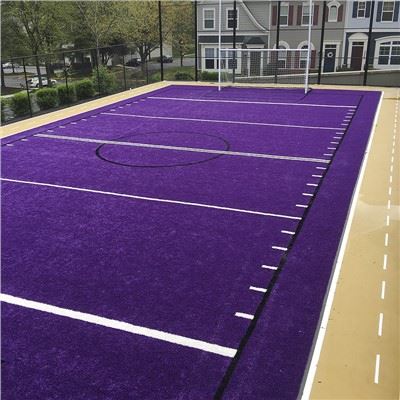
When planning a synthetic turf project, most buyers focus on grass quality, pile height, yarn material, and appearance. However, one critical factor is often overlooked: the base underneath the turf. Even premium artificial grass may develop wrinkles, uneven surfaces, or drainage problems if it is installed over an unsuitable foundation. This is why choosing the right synthetic turf base is just as important as selecting the right turf product. Among the available foundation materials, a properly designed crushed rock base is widely used for landscaping and sports turf installations because it provides reliable support, effective drainage, and long-term stability. So, why does crushed rock generally perform better than untreated soil? Let's explore the reasons from an installation and engineering perspective.
What Is a Crushed Rock Base for Synthetic Turf?
A crushed rock base is a compacted layer of crushed stone or graded aggregate installed between the natural ground and synthetic turf. Unlike loose soil, crushed rock consists of particles with different sizes and angular shapes. When properly selected and compacted, these particles interlock to create a stable foundation that supports the turf above. Depending on local material availability and project requirements, commonly used materials include crushed limestone, crushed gravel, and graded road base.
A typical synthetic turf installation consists of several layers, including the prepared subgrade, compacted aggregate base, optional leveling layer, and artificial grass surface. Additional components, such as geotextile fabric, drainage pipes, or shock pads, may also be required depending on the application. Each layer has a specific function, but the crushed rock base plays a particularly important role in distributing loads, maintaining surface levels, and supporting water movement through the system. In simple terms, it provides the structural foundation that helps artificial grass perform consistently over time.
Crushed Rock Base vs. Soil: Five Reasons Why Crushed Rock Works Better
Better Drainage Performance
Drainage is one of the most important considerations in any outdoor synthetic turf project. Although artificial grass typically features drainage holes in its backing, water still needs a suitable pathway after passing through the turf surface. If the underlying soil has poor permeability, water may accumulate beneath the grass, resulting in prolonged wet conditions and potential surface problems.
A properly graded crushed rock base creates interconnected void spaces that allow water to move through the aggregate layer. This helps reduce water accumulation within the base, provided that the underlying ground or drainage outlet can receive and discharge the water effectively.
According to the USDA Natural Resources Conservation Service, typical steady infiltration rates can vary considerably depending on soil texture. Its soil quality reference reports rates of 0.04–0.2 inches per hour for clay soils, compared with more than 0.8 inches per hour for sandy soils. These figures demonstrate why natural ground conditions must be evaluated before selecting a drainage solution.
For projects installed over heavy clay or poorly drained ground, a properly engineered aggregate base combined with suitable drainage provisions can make a significant difference. However, crushed rock alone cannot solve every drainage problem; the complete drainage system must be designed according to site conditions.
Greater Stability and Load-Bearing Capacity
Another major advantage of crushed rock is its ability to create a stable supporting structure. Untreated soil can change considerably under different weather conditions. Rainfall may soften the ground, while repeated foot traffic, outdoor furniture, maintenance equipment, or sports activities can gradually compress and disturb the surface. These changes may eventually cause localized settlement beneath artificial grass.
Crushed rock behaves differently. Its angular particles can mechanically interlock during compaction, forming a relatively rigid aggregate structure. This helps distribute external loads more evenly across the prepared foundation and reduces the likelihood of localized movement.
For residential gardens, this means a more dependable surface for everyday outdoor activities. For commercial landscaping and sports facilities, a stable base is even more important because these projects may experience heavier and more frequent use. Proper material selection, layer thickness, moisture control, and compaction are essential to achieving the desired performance.
A More Consistent and Level Surface
A beautiful synthetic lawn depends on more than realistic grass fibers. The surface underneath must also be properly prepared. When artificial grass is installed directly over uneven or unstable soil, existing depressions, soft spots, and gradual settlement can become visible through the finished surface.
Crushed rock helps installers create a more uniform foundation because it can be distributed, graded, and compacted to the required levels. This makes it easier to establish consistent surface elevations and the appropriate drainage slope before laying the turf.
A well-prepared base also helps reduce the risk of wrinkles, dips, and uneven areas that may affect the appearance and usability of the finished installation. For landscaping contractors, achieving a consistent foundation means fewer potential corrections after installation and a more professional final result.
Better Long-Term Durability for the Entire Turf System
The service life of artificial grass depends on several factors, including yarn quality, backing construction, UV resistance, installation techniques, maintenance, and ground conditions. Even a high-quality product cannot fully compensate for a poorly prepared foundation.
When the underlying soil shifts or settles unevenly, the turf surface may experience additional stress. Seams and joining areas can become more vulnerable to movement, while low spots may collect water and debris. Over time, these problems can increase maintenance requirements.
A properly compacted crushed rock base helps minimize these risks by providing more consistent support. Combined with suitable drainage and professional installation, it creates better conditions for the artificial grass system to maintain its appearance and functionality.
For distributors, landscape contractors, and project developers, this is an important consideration when evaluating the overall quality of an installation rather than focusing exclusively on the initial purchase price of the turf.
Lower Maintenance Costs Over the Project Lifecycle
At first glance, using natural soil may seem like a cheaper installation option because it requires less aggregate material and transportation. However, the initial installation cost does not always reflect the total cost of owning and maintaining a synthetic turf surface.
If an untreated soil base develops settlement, drainage issues, or uneven areas, contractors may need to remove sections of turf, repair the foundation, and reinstall the surface. These additional tasks can increase labor costs, extend project downtime, and affect customer satisfaction.
A properly constructed crushed rock base requires an initial investment in materials, excavation, grading, and compaction. However, when designed correctly, it can reduce the likelihood of common foundation-related problems and help control long-term maintenance expenses. For B2B buyers managing multiple installation projects, this can contribute to more predictable project costs and better customer experiences.
How to Build a Proper Crushed Rock Base for Synthetic Turf
Choosing the right material is only part of the process. The quality of the finished synthetic turf base also depends on how carefully each construction stage is completed.
Prepare and Excavate the Ground
The first step is to remove existing vegetation, roots, organic matter, loose debris, and unsuitable surface materials. The installation area should then be excavated to the depth required by the project design. Before adding aggregate, installers should evaluate the existing soil conditions, identify soft or unstable areas, and determine whether additional ground improvement is necessary. This preparation helps prevent weak spots from affecting the finished surface.
Establish the Subgrade and Drainage System
After excavation, the exposed subgrade should be properly shaped and compacted according to the project's engineering requirements. On sites with poor drainage or unstable soil, geotextile fabric may be used to separate the native soil from the aggregate and reduce the migration of fine particles into the base. Depending on rainfall, ground conditions, and site layout, additional drainage channels or perforated pipes may also be necessary. The objective is to create a foundation that can support the turf while allowing water to move away from the installation area.
Add and Compact the Crushed Rock
The selected aggregate should be spread evenly and installed in manageable layers. Each layer needs appropriate compaction using suitable equipment, such as a plate compactor or roller. Simply spreading crushed stone across the ground without sufficient compaction will not create the stable foundation required for a quality installation. Contractors should also check aggregate grading, moisture conditions, layer thickness, and finished elevation throughout the process.
Inspect the Surface Before Installing Artificial Grass
Before laying the turf, installers should inspect the entire base for uneven areas, loose stones, depressions, and drainage problems. The finished surface should be firm, smooth, and free of sharp protrusions that could damage the turf backing. Drainage slopes and outlet connections should also be checked. Once the base meets the project's requirements, the artificial grass can be rolled out, positioned, joined, secured, and finished according to the manufacturer's installation recommendations.
One important point to remember is that there is no universal crushed rock base thickness suitable for every project. The required depth depends on soil conditions, expected traffic, climate, drainage requirements, and local construction standards.
Choosing the Right Synthetic Turf Base for Different Applications
Different synthetic turf projects have different foundation requirements. For residential landscaping, including backyards, gardens, and patios, the main priorities are surface comfort, effective drainage, and long-term appearance. A properly prepared aggregate base can provide the support needed for everyday outdoor use.
Commercial landscaping projects, such as hotels, office complexes, retail spaces, and public areas, often experience heavier foot traffic. Their base design should therefore place greater emphasis on load distribution, surface stability, and long-term maintenance.
Sports facilities require even more careful engineering. Football fields, tennis courts, and other athletic surfaces must consider impact absorption, ball behavior, surface consistency, and drainage performance. Depending on the sports system, additional shock pads, specialized infill, and engineered subbase layers may be necessary. In these applications, the base should be designed as part of the complete sports surface system rather than treated as an independent construction layer.
For international projects, contractors should also consider local soil characteristics, seasonal rainfall, freeze-thaw conditions, and applicable building or sports facility standards before finalizing the foundation design.
Common Mistakes to Avoid When Preparing a Synthetic Turf Base
Even the best aggregate material can deliver disappointing results when installation procedures are not followed correctly. One common mistake is installing artificial grass directly over untreated soil without evaluating its drainage and stability. Another is using unsuitable aggregate with inconsistent particle sizes or excessive fine material, which may affect the intended drainage characteristics.
Insufficient compaction is equally problematic because loose aggregate can shift under repeated loading. Ignoring drainage slopes and failing to provide a suitable water outlet may also result in water accumulation, even when the crushed rock layer itself has good permeability. Finally, installing turf before checking the finished base can allow minor surface defects to become expensive repair issues later.
Professional installation is not simply about putting materials in the correct order. It requires understanding how each layer interacts with the others and adapting the construction method to the actual site conditions.
Conclusion
A successful synthetic turf project begins beneath the grass itself. Compared with untreated natural soil, a properly designed crushed rock base generally provides better structural stability, more consistent surface preparation, and improved drainage pathways. These advantages can help reduce foundation-related problems and support better long-term project performance.
At JS GRASS, we understand that quality artificial grass and professional installation go hand in hand. With more than 20 years of experience in artificial grass manufacturing, we provide landscaping turf, football turf, golf turf, and other sports grass solutions for customers worldwide. Our goal is to help distributors, contractors, and project developers find suitable products for their specific market and application.
Planning your next synthetic turf project?
Contact JS GRASS today to explore our artificial grass products, request free samples, and discuss the right turf solution for your business.
Frequently Asked Questions About Crushed Rock Base for Synthetic Turf
Q1: Can you install synthetic turf directly on soil?
It is possible in certain temporary or low-demand applications, but installing turf directly over untreated soil is generally not recommended for permanent outdoor projects. Soil may settle, become compacted, or retain water, potentially affecting surface quality and drainage. A properly prepared foundation is usually a more reliable option.
Q2: What type of crushed rock is best for synthetic turf?
Graded crushed stone, crushed gravel, and suitable road base materials are commonly used. The best choice depends on particle size distribution, angularity, drainage requirements, soil conditions, and local availability. Contractors should select aggregate according to the project specifications rather than choosing materials based on price alone.
Q3: How deep should a crushed rock base be for artificial grass?
There is no single standard depth for every installation. Residential landscaping, commercial areas, and sports facilities may require different base thicknesses depending on expected loads, ground conditions, climate, and drainage design. Local construction standards and professional site assessments should guide the final specification.
Q4: Does crushed rock improve drainage under synthetic turf?
Yes, a properly graded aggregate layer can provide interconnected spaces that help water move through the base. However, the final drainage performance also depends on the underlying soil, installation slope, groundwater conditions, and availability of suitable drainage outlets. A complete drainage design is essential for reliable results.