Artificial grass has developed far beyond its early forms, and today it serves a wide variety of functions. From a homeowner's backyard to a professional football field, synthetic turf solutions are designed with specific performance expectations in mind. Yet for many businesses and importers, the terms "landscaping turf" and "sports turf" can appear interchangeable at first glance. In reality, these two categories are engineered with very different priorities, and understanding their distinctions is critical for making the right purchasing decision.
Fiber Composition and Structural Design
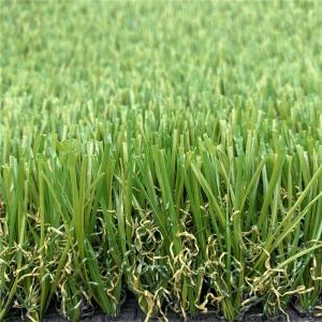
One of the clearest differences lies in the way the fibers are engineered. Landscaping turf is typically created to mimic the softness and natural look of grass found in gardens, parks, and residential yards. The fibers tend to be finer, more flexible, and often mixed with different shades of green to achieve a realistic aesthetic. Sports turf, on the other hand, prioritizes durability and resilience. Fibers are often stiffer, with reinforced tuft binding, so they can withstand repeated impact from cleats, running, and ball movement. In soccer fields or rugby pitches, this resilience is not just a matter of appearance but of safety, as consistent performance reduces injury risk.
Pile Height and Density Considerations
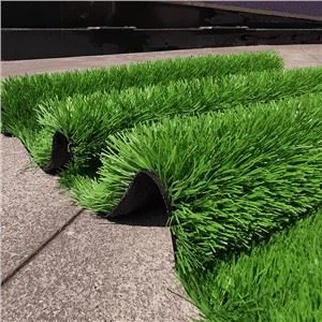
When you compare the pile height and density of landscaping turf versus sports turf, the intended function becomes clear. Landscaping turf usually features a medium to long pile height that creates a lush, comfortable surface underfoot, giving the impression of a natural lawn. Density is designed to provide visual fullness without necessarily supporting heavy use. Sports turf, by contrast, is shorter and denser, optimized for even ball roll, predictable bounce, and quick recovery after pressure. This design is essential in football or hockey fields, where inconsistent surfaces could affect not only the quality of play but also player confidence.
Backing Systems and Stability
Backing also illustrates the different engineering priorities. Landscaping turf commonly uses a backing that ensures basic durability and drainage, sufficient for residential use or light foot traffic. Sports turf requires an advanced system: multi-layer backing with stronger tuft lock, higher tensile strength, and enhanced drainage capabilities. These features ensure that even under intense usage and weather conditions, the turf remains stable, safe, and long-lasting. Many sports applications also demand infill systems with sand and rubber granules to cushion impact and support proper ball dynamics.
Aesthetic Versus Performance Priorities
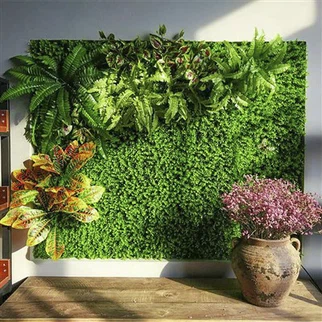
Ultimately, landscaping turf is guided by aesthetics while sports turf is guided by performance. A hotel rooftop garden, a corporate courtyard, or a home yard prioritizes appearance and comfort, often valuing natural variation in color and softness. Sports projects, whether for schools, stadiums, or training centers, focus on how the turf responds to fast, repetitive, and demanding use. This distinction underscores why it is essential to clearly define your project needs before selecting a turf type, as installing the wrong product can lead to premature wear or dissatisfaction.
Practical Examples in Application
Consider a resort in the Middle East seeking to create a low-maintenance, green outdoor environment. Landscaping turf is chosen because it provides the lush, natural appearance their guests expect without the burden of irrigation in a hot climate. Now compare that to a municipal football field in Europe: the council selects sports turf designed for all-weather play, knowing it must serve multiple teams throughout the week while maintaining consistent performance. Both projects use artificial turf, but the design goals and technical demands differ significantly.
Final Thoughts
The distinction between landscaping turf and sports turf is not a matter of quality but of purpose. Each is designed to excel in its respective environment. For buyers, contractors, or facility managers, understanding these differences ensures that the right solution is chosen, delivering both long-term satisfaction and optimal performance. Whether your focus is creating an inviting green landscape or supporting competitive play, selecting the right artificial grass is an investment in reliability and user experience.