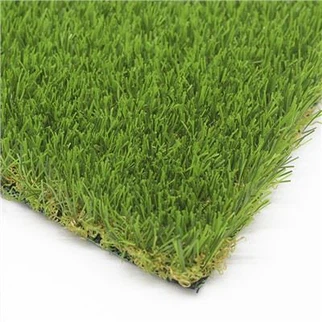
The quality of the playing surface is one of the most critical factors in modern football. Over the past two decades, artificial grass has evolved from being a secondary option to a recognized solution for both training grounds and full-sized stadiums. Choosing the best soccer turf, however, is not simply a matter of aesthetics. It requires careful consideration of performance standards, player safety, durability, and long-term maintenance costs. For facility managers, clubs, and project developers, understanding what defines the best football field turf is essential for making an investment that lasts.
Performance and Playability Standards
The first measure of excellence in artificial grass for football is how closely it replicates the natural game. A top-quality soccer turf must provide consistent ball roll, accurate rebound, and stable footing under different weather conditions. FIFA's Quality Programme has set strict benchmarks to evaluate football turf installations, covering parameters such as shock absorption, rotational resistance, and ball interaction. The best football field turf is not just about how it looks but how it performs in competitive play, ensuring players can trust the surface to deliver fairness and consistency.
Player Safety and Comfort
Any discussion about the best artificial grass must take player welfare into account. Football is a high-intensity sport, and the pitch must reduce injury risks while supporting peak athletic performance. Advanced football turf products integrate soft yet resilient fibers made from PE materials, combined with infill systems that provide shock absorption without excessive hardness. This balance minimizes the impact on joints and muscles, while the textured fiber design ensures reliable traction during quick turns and sprints. In essence, the best soccer turf must allow players to move with confidence while keeping long-term health in mind.
Durability and Maintenance Efficiency
Another defining factor is longevity. A football field turf must withstand thousands of hours of training sessions and matches without losing its integrity. The best artificial grass is manufactured with UV-resistant fibers that maintain color stability even under harsh sunlight, and reinforced backing systems that resist tearing or deformation. While all sports facilities require periodic grooming and infill adjustment, a superior football turf reduces the frequency and intensity of maintenance, allowing clubs and schools to lower operational costs without compromising quality.
Climate Adaptability and Global Standards
Soccer is played in every corner of the world, from humid coastal regions to arid deserts. Natural grass struggles in many of these environments, which is why artificial grass has become the preferred solution in numerous FIFA-approved venues. The best football field turf adapts to extreme conditions, resisting waterlogging in heavy rains while staying resilient against heat and cold. International suppliers are expected to deliver surfaces that not only comply with FIFA and UEFA standards but also meet local climate challenges, ensuring consistent performance worldwide.
Long-Term Value and Strategic Choice
For decision-makers, choosing the best soccer turf goes beyond immediate installation. It is a strategic investment that influences the reputation of a football program, the experience of athletes, and the financial sustainability of the facility. Artificial grass solutions that combine high performance, durability, and cost efficiency offer the best return on investment. As global demand for sustainable and safe sports infrastructure grows, football field turf stands out as an intelligent choice, bridging the gap between modern technology and the timeless spirit of the game.