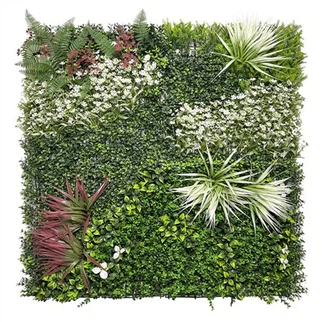
The impact of artificial grass on sustainable development
Pros of Artificial Grass for Sustainable Development
Water Conservation
Unlike natural grass that demands regular watering, artificial grass needs no water once installed. This is a huge plus in areas with water scarcity, helping to conserve this precious resource.


Reduced Chemical Use
Natural grass often requires pesticides and fertilizers, which can harm the environment. Artificial grass eliminates the need for such chemical applications, reducing pollution risks to soil and water.
Durability
With a relatively long lifespan, artificial grass doesn't need frequent replacement. It can endure heavy use and various weather conditions, generating less waste compared to natural grass that may need reseeding or replacement more often.

Cons of Artificial Grass for Sustainable Development
Production Impact
The manufacturing process uses synthetic materials from petroleum and is energy-intensive, leading to carbon emissions and potential environmental harm during production and disposal.


Lack of Ecology
It can't perform ecological functions like natural grass, such as absorbing carbon dioxide through photosynthesis or supporting a diverse ecosystem of insects and other organisms.
Cost Aspect
The initial cost of installing artificial grass is high, and although it saves on some maintenance costs like watering, it still requires regular cleaning and possible repairs. If not maintained well, it may need early replacement, adding to waste.

In summary, artificial grass has both benefits and drawbacks for sustainable development, and a careful consideration of these aspects is needed when choosing to use it.