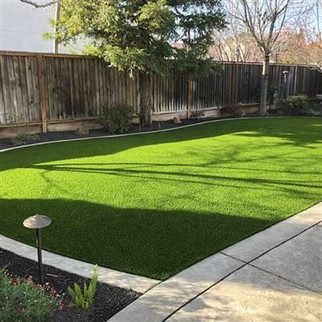
There are many reasons why people choose to decorate their homes or offices with fake plants. They require less maintenance, are more affordable and can last longer than real plants. However, many people are often dissatisfied with the look of cheap fake plants - they may look too shiny, plastic or unnatural. Fortunately, there are many ways to make fake plants look real with some simple tips and tricks.
1. Choose the right plant
The first step to making artificial plants look real is to choose the right plant. You want to select a plant that looks realistic and is of high quality. Look for plants that have textured leaves and stems that resemble real plants. Avoid plants that are overly shiny or have a plastic appearance. Plants like succulents, cacti, and ferns are great options for fake plants because they have a unique texture that mimics real plants.
2. Add real plants to the mix
To give the illusion of a natural environment, consider mixing real plants with fake greenery. By doing this, it will make the fake plants seem more natural and less out of place. This also helps to blend the fake plants with the organic feel of the room or setting.

3. Place plants in natural settings
In order for artificial foliage to look real, it's important to place them in natural settings. For example, if you're using fake succulents, place them in a pot filled with natural-looking soil. Place the pot in a sunny spot and sprinkle some sand around the base to give it a more natural look. If you're using fake ferns, place them in a hanging basket or in a pot with other real and fake plants. By placing fake plants in natural settings, it will help make them look more realistic.
4. Add texture
Fake leaves often look too perfect and uniform. Adding texture to fake plants can help create a more realistic appearance. You can add texture by using a spray adhesive and then sprinkle a fine layer of sand or small gravel on the leaves and stem. This gives a more naturalistic look and feel to the plant. If you want to add texture to the pot itself, using stone or ceramic pots can help make the fake plant seem more real.
5. Mix up the plant sizes
In the natural world, plants do not grow uniformly. They have different shapes, sizes, and heights, which help to create a more organic feel. By mixing up the sizes of your fake plants, it helps to create a more genuine setting. Use taller plants as the focal point and then pair them with smaller plants, strategically placing them in the space to achieve a natural balance.

6. Use natural lighting
Lighting can play a significant role in making artificial greenery look real. Natural light is the best option, so place your plants in natural light sources. If natural light is not an option, then use full-spectrum light bulbs that emulate the natural tones of the sun and daylight. This will create an environment that makes the fake plants look more natural and less artificial.
7. Keep plants clean
One of the main issues with faux greenery is that they can accumulate dust which makes them appear more artificial. To keep fake plants looking real, it's important to clean them regularly. You can use a damp cloth or sponge to wipe down the leaves and stems to remove any accumulated dust. Additionally, you can use a small brush to remove any dirt from the pot or soil.
In conclusion, there are several ways to make cheap fake plants look real. By choosing the right plant, placing them in natural settings, adding texture, mixing up the plant sizes, using natural lighting, and keeping plants clean, you can create a natural and seamless look. By following these simple tips and tricks, fake plants can look just as good as the real thing. With a bit of patience and attention to detail, you can enjoy the beauty of plants in your surroundings without having to worry about the cost or maintenance.