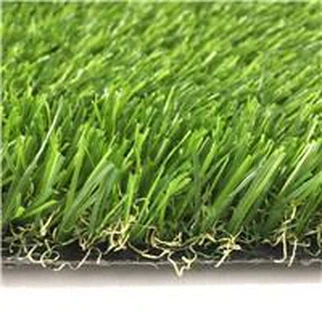
Football is a popular sport that is played all over the world. One of the most important aspects of this sport is the playing surface. In recent years, many stadiums have replaced traditional grass with artificial turf.
Artificial turf, also known as fake grass, is made of synthetic fibers that mimic the look and feel of natural grass. It was first introduced in the 1960s and has since undergone several improvements to improve its durability and performance. Designed to withstand heavy foot traffic and resist damage from weather conditions, this material is ideal for use on sports fields.
Real grass, in contrast to fake grass, requires regular maintenance such as watering, fertilizing, and mowing. The maintenance cost is very high because the grass can become damaged due to frequent use and weather conditions.
Artificial turf has several advantages over real grass. First, it requires little maintenance, which means it can be used year-round. This is especially important for football teams that need to practice and play on a consistent surface. In addition, it provides an even playing surface, reducing the risk of injuries due to uneven ground.
However, there are some disadvantages to using artificial turf. Some players believe that the surface of artificial turf may be harder than real grass, leading to more injuries. In addition, synthetic fibers heat up in the sun, making it uncomfortable for players to play on.
In short, the choice of real grass or artificial grass ultimately depends on the needs of players and maintenance personnel. Both have their advantages and disadvantages, but the general development trend is that more and more football fields will use artificial grass.