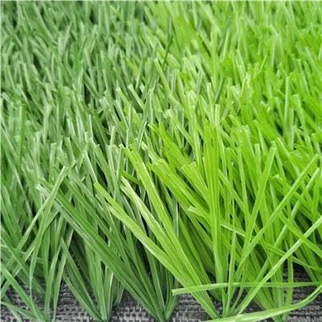
Artificial turf is widely used in various sports venues due to its long service life, low cost, green four seasons, and all-weather use. However, in the cold winter, artificial turf will be frozen or covered by snow due to the low temperature. Frozen artificial grass is brittle and easy to fold. The snow will also freeze the grass, which will affect the life of the lawn. You need to wait until the snow and ice of the artificial grass has completely melted before putting it into use.
Clean up at the first snowfall, because the lighter snowflakes are not easy to damage the lawn at this time. If you wait until there is too much snow and the snow is too heavy, it will compress to the volume of the artificial lawn, and the artificial lawn may be crushed.If the snow is dry like powder, use a snow blower or a rotating brush to remove it from the playing field. It is worth noting: when using, do not sink the machine deep into the grass fiber.
Clear snow with rubber scraper
On sports fields, it is easier to remove wet or heavy snow with a snow plow. How to use the snow plough: Just like kissing the ground, roll the snow in front. Snow plows of wooden, metal or other solid surfaces are not permitted on artificial turf.
Avoid using tarps on the ground in cold weather, as tarps may condense with the turf and make it difficult to remove.
In the natural state, it takes longer to wait for the snow and ice to melt, but using urea ice cubes can melt quickly in the sun, which can minimize the pressure on the artificial turf, and then use tools such as drag brushes to comb and make the artificial turf grass line firm Will not be seriously injured.