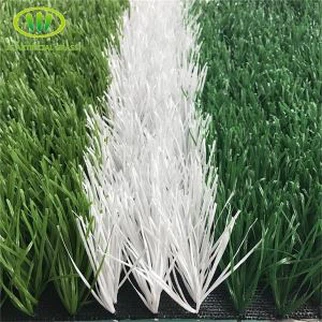
Improved Realism: Artificial turf is continuously evolving to closely resemble the look, feel, and performance of natural grass. Manufacturers are investing in research and development to create turf products with enhanced realism, including natural colors, softness, and blade shapes that mimic real grass.
Sustainable Materials: Environmental sustainability is a growing consideration in the artificial turf industry. There is a trend towards using more eco-friendly materials, such as recycled content or bio-based materials, in the production of artificial turf. Additionally, water-saving technologies and practices are being incorporated into the design of artificial turf systems to reduce water consumption.
Enhanced Durability: Artificial turf is being engineered to withstand heavy use and extreme weather conditions. Innovations in fiber technologies, backing systems, and infill materials are improving the durability and resilience of artificial turf, making it suitable for high-traffic areas and a wider range of applications.
Performance Optimization: Artificial turf is being designed to meet the specific performance requirements of different sports and activities. For example, turf systems for soccer may have different characteristics than those for American football or field hockey. Manufacturers are focusing on optimizing factors such as ball roll, ball bounce, shock absorption, and player traction to enhance the playing experience and reduce the risk of injuries.
Cooling Technologies: Heat buildup on artificial turf surfaces can be a concern, especially in hot climates. To address this, cooling technologies are being developed and incorporated into artificial turf systems. These technologies may include reflective coatings, moisture management systems, and infill materials that reduce surface temperature and improve player comfort.
Smart Integration: The integration of smart technologies into artificial turf is an emerging trend. This may involve the incorporation of sensors, data collection systems, and connectivity to monitor field conditions, player performance, and maintenance needs. Smart artificial turf systems can provide valuable insights for field management and enhance the overall user experience.
Customization and Branding: Artificial turf is increasingly being used for branding and customization purposes. Companies, sports teams, and organizations are opting for customized designs, logos, and patterns on their turf surfaces, creating unique and visually appealing installations.