Artificial grass has become one of the most effective solutions for creating functional and visually appealing outdoor spaces. Whether for residential lawns, commercial landscapes, or recreational areas, a well-installed turf system offers durability, minimal maintenance, and long-term cost efficiency. However, the installation process requires more than simply rolling out synthetic turf. Many projects fail not because of the product itself, but due to errors made during installation. Avoiding these common mistakes is crucial for achieving a surface that performs well and retains its appearance for years.
Choosing the Wrong Type of Turf
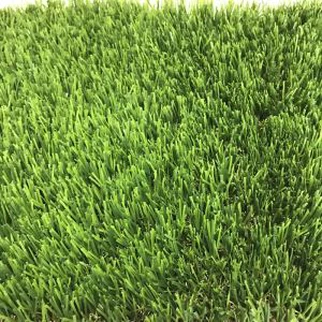
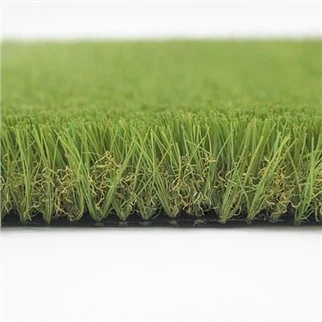
Artificial grass is not a universal product. Its specifications vary in pile height, fiber density, and yarn composition. Selecting the wrong type often results in poor performance or dissatisfaction with the look and feel. A landscape installation may require a soft, mid-height turf for natural aesthetics, while high-traffic areas benefit from shorter, denser turf with strong tuft binding. Pet-friendly installations demand excellent drainage and higher resilience. Professionals also recommend paying attention to UV resistance and non-toxic materials, as low-quality products fade quickly and can compromise safety.
Skipping Proper Planning and Measurement
A successful turf installation starts long before the first roll is laid down. One of the most frequent mistakes is failing to measure and plan accurately. Insufficient or incorrect measurements often lead to material shortages or uneven layouts. Planning also involves considering slope, sun exposure, drainage, and foot traffic patterns. Marking the area beforehand allows installers to visualize the final look, while allocating extra material ensures clean edges and smooth finishing.
Purchasing Grass in Separate Batches
To reduce costs, some choose to buy turf in stages. This creates color variations between different production lots, resulting in a patchy, inconsistent appearance. The best practice is to order the full quantity required for the project from the same batch, with additional turf reserved for future repairs. This guarantees a uniform surface and minimizes replacement challenges down the line.
Overlooking Drainage Preparation
Drainage is one of the most critical technical aspects of artificial grass installation. Without a proper sub-base, water accumulation leads to odor, mold, and accelerated wear. A well-prepared base of crushed stone or decomposed granite provides permeability, while a slight slope ensures water moves away from structures. Many high-quality products incorporate perforated backings for faster drainage, but these features can only perform effectively with proper groundwork.
Failing to Level and Compact the Base
An uneven foundation leads to visible bumps, depressions, and early surface deterioration. Compacting the base is essential to creating a firm and level platform. Professionals recommend multiple rounds of compaction, often with a vibrating plate, combined with precise grading checks. A smooth and stable base not only enhances appearance but also improves long-term performance under regular use.
Neglecting Weed Prevention
Even synthetic lawns are not immune to weed intrusion if preventive steps are ignored. Weeds often emerge through seams and drainage points, undermining the clean aesthetic of artificial turf. A geotextile weed barrier installed beneath the turf prevents unwanted growth while maintaining permeability. Securing edges tightly further reduces opportunities for weed penetration.
Poor Seam and Joint Work
A poorly executed seam can compromise the entire project. Misaligned joints create visible lines and may cause sections to lift over time. Correct seam installation involves overlapping, precise trimming, and the use of high-quality adhesives and joint tape. A finishing brush helps blend fibers and disguise lines, giving the lawn a continuous, natural appearance.
Forgetting Perimeter Fixing
Strong anchoring is non-negotiable. Without it, the turf may curl, shift, or lift at the edges, particularly in high-use zones. Galvanized nails or landscape staples are commonly used, positioned at consistent intervals to secure the perimeter. When combined with appropriate infill, this step ensures stability and prevents premature failure.
Misjudging Pile Direction
The direction of the turf pile significantly impacts the finished look. Blades should lean toward the primary viewing angle, typically the home or main pathway, to ensure a natural appearance. Consistency across all sections is critical, and installers are encouraged to check alignment from different perspectives before securing. Even slight misalignments can create uneven reflection and disrupt visual uniformity.
Final Thoughts
Artificial grass is both an investment and a long-term enhancement to property value and outdoor usability. While the product itself is engineered for resilience, improper installation can reduce its benefits dramatically. By avoiding these nine common mistakes-ranging from turf selection to base preparation and seam integration-homeowners and professionals alike can ensure results that are durable, visually appealing, and cost-effective. A well-installed artificial turf system not only replicates the beauty of natural grass but also provides consistent performance for years to come.