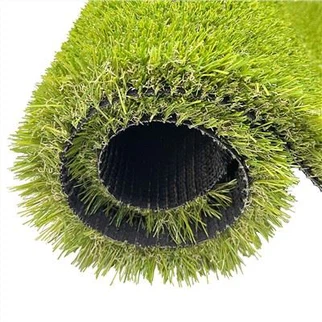
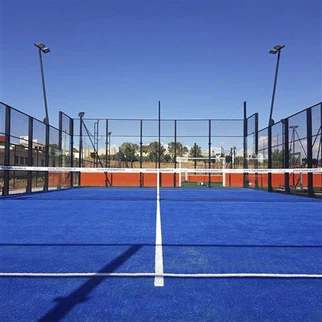
When sourcing artificial grass for commercial or large-scale projects, the difference between high-quality turf and low-grade alternatives is more than just appearance-it directly impacts durability, safety, customer satisfaction, and long-term return on investment. Yet, many buyers struggle to distinguish between the two, especially when suppliers present similar-looking samples.
In this guide, we break down the key factors that truly define high-quality artificial grass, helping you make informed procurement decisions.
Why Quality Matters in Artificial Grass Selection
For B2B buyers such as contractors, distributors, and project developers, artificial grass is not a one-time purchase-it's a long-term investment. Choosing low-grade turf may reduce upfront costs, but it often leads to frequent replacements, higher maintenance expenses, and potential complaints from end users.
High-quality artificial grass, on the other hand, ensures consistent performance in high-traffic areas, better aesthetics over time, and stronger brand credibility for your business.
Yarn Quality: The Foundation of Performance
The most noticeable difference between premium and low-grade artificial grass lies in the yarn.
High-quality turf typically uses durable polyethylene (PE) or a blend of PE and polypropylene (PP), offering a soft & lush surface with excellent resilience. The fibers are designed to bounce back after foot traffic, maintaining a natural appearance.
In contrast, low-grade turf often uses cheaper materials with lower density and weaker structure. This results in flattened fibers, faster wear, and a rougher texture that feels less comfortable underfoot.
A real-world example: In a hotel landscaping project, premium turf can maintain its upright appearance for years, while low-grade grass may look worn out within months under the same usage conditions.
Density and Stitch Rate: The Secret Behind a Fuller Look
Density-often defined by stitch rate and pile count-is another critical factor.
High-quality artificial grass features dense and tall fibers, creating a fuller, more natural look. This not only improves aesthetics but also enhances durability by distributing pressure more evenly.
Low-grade turf, with fewer stitches per square meter, tends to look sparse and artificial. Over time, gaps become more visible, especially in commercial environments with heavy foot traffic.
Backing System: Where Durability Begins
The backing structure plays a vital role in the longevity of artificial grass.
Premium products typically use a three-layer backing system (PP cloth + Net + SBR latex), providing excellent dimensional stability, strong tuft bind, and resistance to tearing. Combined with high-density drainage holes, this ensures fast drainage and long-term durability in outdoor conditions.
Low-grade turf often has a thinner or poorly constructed backing, which can crack, deform, or fail under temperature changes and moisture exposure.
Drainage Performance: Essential for Outdoor Applications
Efficient drainage is crucial, especially for landscaping, sports fields, and pet areas.
High-quality artificial grass is designed with high liquid permeability, allowing water to pass through quickly and preventing puddles. This makes it ideal for rainy climates and high-use environments.
Low-grade turf may have limited or uneven drainage holes, leading to water accumulation, unpleasant odors, and faster degradation of the backing.
UV Resistance and Color Stability
One of the biggest complaints from buyers of low-grade turf is fading.
High-quality artificial grass is manufactured with UV-resistant additives that protect the fibers from sun exposure. This ensures long-lasting color consistency, even in regions with intense sunlight.
In contrast, low-grade turf often fades quickly, turning dull or uneven in color, which negatively impacts the visual appeal of the installation.
Safety and Certifications
For international buyers, compliance with safety standards is non-negotiable.
Premium artificial grass products are typically tested and certified under standards such as fire resistance and environmental safety requirements. Features like flame-retardant material are especially important for commercial spaces, including hotels, shopping centers, and public areas.
Low-grade turf may lack proper certifications, posing risks during import processes and end-use applications.
Maintenance and Long-Term Cost
At first glance, low-grade turf may seem like a cost-saving option. However, when considering the full lifecycle, the story changes.
High-quality artificial grass requires minimal maintenance, maintains its structure over time, and reduces the need for replacements. Its durable bottom & fast drainage system ensures consistent performance even under heavy use.
Low-grade turf, on the other hand, often leads to higher long-term costs due to repairs, replacements, and customer dissatisfaction.
How to Identify High-Quality Artificial Grass
When evaluating suppliers or products, consider the following:
- Check fiber softness and resilience by touching and bending the yarn
- Compare density and overall appearance
- Inspect the backing structure and drainage holes
- Ask for certifications and test reports
- Request samples for real-world comparison
These steps can help you avoid common procurement pitfalls and ensure you select a product that meets your project requirements.
Final Thoughts
The difference between high-quality artificial grass and low-grade turf goes far beyond price. It affects performance, durability, aesthetics, and ultimately, your reputation as a supplier or project contractor.
Investing in premium artificial grass means delivering long-term value to your clients-and positioning your business as a reliable, quality-driven partner in the global market.