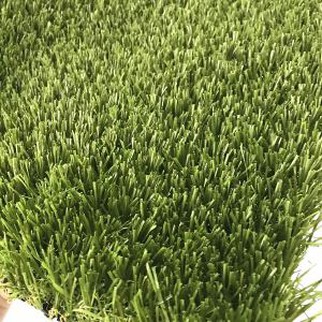
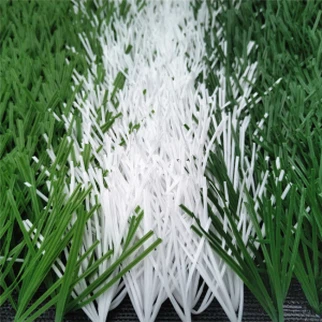
When purchasing synthetic turf at a wholesale level, the decision goes far beyond price comparison. For B2B buyers such as distributors, contractors, and project developers, the real challenge is identifying a product that balances performance, durability, compliance, and long-term value. A poor sourcing decision can lead to installation failures, customer complaints, and higher lifecycle costs. This guide outlines the key factors you should evaluate before placing a wholesale order.
1. Yarn Material and Surface Performance
The first and most critical factor is the yarn composition. Most commercial-grade artificial grass is made from polyethylene (PE), polypropylene (PP), or a blend of both. PE is widely used for its soft & lush surface and natural appearance, while PP provides structural firmness and cost efficiency.
High-quality turf should feel resilient under pressure and recover quickly after compression. Inferior products often use low-grade raw materials that flatten easily, resulting in a worn-out appearance within a short time. For wholesale buyers, consistency in fiber quality across large batches is essential, especially for multi-project supply.
2. Density, Stitch Rate, and Visual Realism
Density is a direct indicator of product quality and performance. A higher stitch rate typically means a fuller, more natural-looking surface and better resistance to heavy foot traffic. In commercial landscaping, sparse turf not only looks artificial but also wears out faster due to uneven load distribution.
However, density should not be evaluated alone. The balance between pile height, stitch rate, and gauge determines the overall structure. A well-engineered synthetic turf maintains both aesthetic appeal and functional durability, especially in high-visibility installations such as hotels, retail spaces, and public landscapes.
3. Backing System and Structural Stability
The backing structure is often overlooked by inexperienced buyers, yet it plays a vital role in product lifespan. A reliable wholesale-grade turf typically uses a reinforced system such as PP cloth, net, and SBR latex. This combination ensures strong tuft bind, dimensional stability, and resistance to deformation over time.
Poor backing quality can lead to fiber shedding, curling edges, and drainage failure. For large-scale projects, structural consistency is even more important, as installation areas may span thousands of square meters.
4. Drainage and Outdoor Performance
Effective drainage is a key requirement for outdoor applications. High-quality synthetic turf is designed with optimized permeability, allowing water to pass through quickly and preventing surface pooling. This is especially important for regions with heavy rainfall or installations such as playgrounds, rooftops, and commercial landscapes.
In addition to drainage, UV resistance also determines long-term performance. Without proper UV treatment, turf fibers can fade and degrade under prolonged sunlight exposure, significantly reducing visual quality and lifespan.
5. Certification, Safety, and Compliance
For international wholesale buyers, compliance is not optional-it is a requirement. Depending on the destination market, synthetic turf may need to meet specific standards related to fire resistance, environmental safety, and chemical compliance.
Fire-resistant properties are particularly important for commercial and public installations. Similarly, buyers should ensure that materials comply with relevant environmental regulations to avoid customs issues and project delays. Reliable suppliers should be able to provide testing reports and certification documentation upon request.
6. Lifespan and Total Cost of Ownership
While initial cost is often a key consideration, professional buyers evaluate turf based on total cost of ownership rather than unit price alone. A higher-quality product may have a higher upfront cost, but it significantly reduces maintenance, replacement frequency, and long-term operational expenses.
Well-manufactured synthetic turf can typically maintain performance for many years under normal commercial use. This makes it a more stable investment for large-scale landscaping projects where durability directly impacts profitability.
7. Supplier Reliability and Batch Consistency
In wholesale procurement, supplier capability is as important as product specification. Consistency across production batches ensures that color, density, and texture remain uniform throughout large projects. Inconsistent supply can create visible differences in installation zones, affecting overall project quality.
Experienced manufacturers with stable production systems are more likely to maintain strict quality control and offer flexible customization options, which is essential for long-term partnerships.
Conclusion
Buying synthetic turf at wholesale level requires a structured evaluation process rather than a simple price comparison. Key factors such as yarn quality, density, backing system, drainage performance, certifications, and supplier reliability all contribute to the final outcome of a project.
For B2B buyers, the goal is not just to purchase artificial grass, but to secure a material solution that ensures durability, safety, and consistent performance across multiple applications. A well-informed decision at the sourcing stage ultimately determines the success and sustainability of the entire project lifecycle.