When considering the installation of green artificial grass for commercial or residential projects, one of the most common questions we encounter is how long the surface will last and what factors influence its durability. The lifespan of artificial grass is not just a matter of its initial appearance; it is largely determined by the materials used, installation quality, and ongoing maintenance. A well-chosen synthetic lawn turf, installed with attention to detail, can offer both aesthetic appeal and functional resilience for years.
The first factor that affects longevity is the quality of the artificial grass itself. Materials such as UV-stabilized polyethylene fibers are widely regarded as the best turf for landscape applications due to their softness, flexibility, and resistance to fading. The fiber thickness, or Dtex, plays a crucial role in how the lawn withstands foot traffic, weathering, and mechanical stress. For example, in one commercial project we supplied artificial grass for a hotel rooftop garden in Southeast Asia, the choice of a higher Dtex synthetic lawn turf prevented early flattening despite heavy usage and direct sunlight. Conversely, lower-quality artificial grass made from polypropylene without UV protection tends to become brittle and discolored within a few seasons, leading to costly replacements.
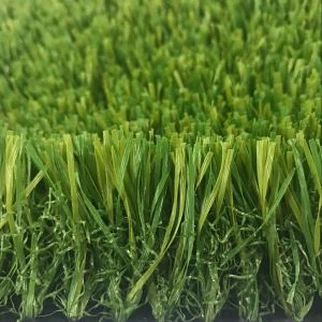
Pile height and density are also critical in determining the functional lifespan. Taller fibers can provide a luxurious look but only if combined with appropriate density and face weight. Low-density turf, regardless of fiber height, may wear down unevenly, revealing the backing and compromising visual quality. In a residential park project we completed in Canada, a mid-height, high-density green artificial grass maintained its upright position for over seven years with minimal maintenance, demonstrating the importance of balancing pile height with stitch rate and weight.
Another important consideration is the backing and drainage system. Synthetic lawn turf relies on a strong three-layer backing, often composed of polypropylene cloth, a reinforcing mesh, and SBR latex. This combination ensures that the fibers remain securely tufted, even under heavy foot traffic or during adverse weather conditions. Drainage is equally crucial; insufficient water permeability can lead to water pooling, mold growth, and accelerated wear. During an inspection of a tropical sports field, we found that turf with inadequate backing and sparse drainage holes had already begun to deteriorate after just one rainy season, underscoring the necessity of evaluating the backing and drainage performance before purchase.
Installation practices further influence the lifespan of artificial grass. Proper surface preparation, accurate seaming, and correct adhesive application are all vital. Even the best synthetic lawn turf can fail prematurely if seams are misaligned or adhesives are unevenly applied. On a municipal playground project, early installation errors led to minor surface bubbling, which was rectified only after re-gluing the seams following industry best practices. This experience reinforced our principle that quality control during installation is just as important as selecting the right material.
Maintenance, though less intensive than natural lawns, also plays a role in extending the life of artificial grass. Regular brushing, removing debris, and periodic rinsing help keep the fibers upright and prevent dirt accumulation that can affect drainage. For commercial installations in hotel landscapes and public parks, we often provide clients with maintenance guides and optional service schedules to ensure the turf maintains its appearance and functional performance over time.
In conclusion, the lifespan of artificial grass is influenced by a combination of material quality, fiber specifications, pile density, backing structure, installation accuracy, and maintenance routines. Choosing the right green artificial grass or synthetic lawn turf, whether for residential or commercial use, requires careful evaluation of these factors. By selecting the best turf and following recommended installation and upkeep practices, B2B buyers can ensure that their investment delivers a visually appealing and durable solution for many years.