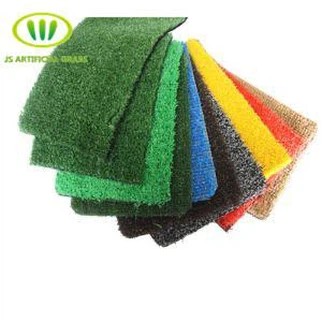
When purchasing artificial grass in bulk, consider more than just price-its quality directly impacts the subsequent installation and maintenance costs. This article breaks down the inspection process into several key areas: material and filament specifications, density and surface weight, backing and drainage, third-party testing and certification, factory and sample review, and after-sales service and warranty. Each section provides practical tips and lessons learned from our field experience to help you make a more informed purchasing decision.
What should you consider when considering material and filament specifications?
The filament material determines its feel and weather resistance. Common types include PE (polyethylene), PP (polypropylene), and nylon, with UV-stabilized PE being the most commonly used for landscape grass. The shape and Dtex (fiber thickness) of the filament directly impact its rebound and abrasion resistance. If a supplier only quotes vague terms like "soft" or "high-quality," request specific Dtex, fiber shape, and the content of UV-resistant additives. I remember a project where a client placed an order based on beautiful images. However, the product faded significantly within a year of exposure. Since then, we've made UV aging test reports mandatory in our contracts.
How to judge density, pile height, and face weight?
Stitch rate, pile height, and face weight are the three key factors that determine visual quality and longevity. Tall grass doesn't guarantee good quality; high density combined with a moderate face weight is more durable. As a purchaser, besides looking at data sheets, the most reliable method is to request a sample installation of 10 square meters or more. Actual footfall and rebound speed often speak louder than paper figures. I recommend placing the sample at the intended installation site and subjecting it to a 48-hour static exposure and footfall simulation. This can identify many potential problems early on.
Don't overlook backing, drainage, and tuft strength. The backing is the "skeleton" of the lawn. A three-layer backing (PP cloth + mesh + SBR latex) is commonly required in high-use scenarios. Drainage hole density and water conduction (L/㎡/hr) determine the usability of the field after rain. Tuft bind strength determines whether the grass fibers will fall apart. During inspection for a tropical project, we discovered uneven adhesive application, resulting in localized bubbling. Fortunately, we promptly returned the product and switched suppliers. This serves as a reminder to all buyers: always request backing peel strength and drainage test reports before factory shipment.
Certificates and third-party testing are crucial
Compliant markets (Europe and North America) often require REACH, RoHS, UV aging, and flammability rating test reports. Don't just rely on suppliers' verbal promises; request test reports from third-party laboratories (such as SGS and Intertek) and verify that the batch number matches the sample. For bulk purchases, it's best to include third-party testing as a contract condition. Any non-compliance can trigger a return or claim process.
Factory visits and sample verification are essential. While online factory inspections with images and videos are convenient, in-person factory visits and sampling are essential before placing bulk orders. We recommend personally inspecting the grass yarn rolls, tufting machine parameters, the consistency of the latex coating lines, and the packaging process. A client once discovered lax packaging procedures during a video factory inspection and decided to switch to reinforced containers for transportation, avoiding losses caused by moisture and rework during transit. Furthermore, incorporating sample numbers into the contract and stipulating random inspections upon arrival of the first batch is a good way to protect the buyer's rights.
After-sales service, warranty, and project support should be clearly discussed
Bulk purchases shouldn't focus solely on delivery; installation support, warranty periods, and defect resolution procedures are equally crucial. High-quality suppliers often provide installation guides, video tutorials, and even remote or on-site technical support. Contracts should clearly define warranty terms (such as warranty periods and deductibles for color, tufting, and backing removal), and stipulate a regular inspection mechanism to reduce future litigation costs.
Summary: Make "inspect before you buy" a purchasing routine
Bulk artificial grass purchases are a multifaceted decision: Don't be misled by fancy pictures, and don't just rely on price. A common checklist covering material data, sample testing, backing and drainage, third-party testing and factory inspections, and after-sales support can mitigate most risks before the negotiation. One final experience to share: In a lawn paving project for an overseas hotel chain, three early sample iterations and a small-scale on-site trial paving saved the client 20% in rework costs and also made on-site construction much smoother. This "trial and error first" step is worth keeping in mind for every purchaser.