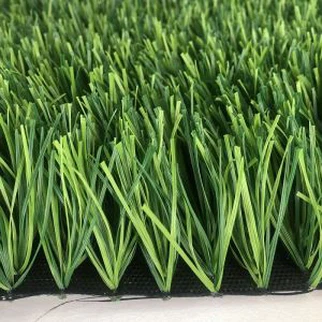
Golf is a recreational sport that can be played all year round, but in winter, the golf driving range will be relatively deserted due to the weather. Because in winter, the lawn of the stadium will freeze due to low temperature and snowfall. Imagine if a client came to the golf driving range in high spirits to start a pre-play warm-up, but was suddenly told "delayed by frost," "frozen on the green," or "only on the golf course." Defeated and returned.
In order to enable the golf driving range to achieve the best effect and a virtuous circle and provide better service to customers in winter, the golf driving range may wish to "rest and recuperate" in winter and take lawn protection measures for a few months to bring better quality to customers. sports experience.
How to maintain the lawn in freezing temperatures in winter?
In winter, the weather is cold and the temperature difference between day and night is large, which generally causes the root growth of plants to slow down or even stop completely. In this case, when managing winter golf course turf, the first thing to pay attention to is the resilience of the plants, especially the resilience of the turf in low temperatures. When the temperature in winter is too low or even reaches freezing point, you can start pouring frozen water, which is an important measure to ensure that the lawn can survive the winter safely. The main function of golf turf winter irrigation is to store water and stabilize the ground temperature to prevent freezing damage. Most importantly, it also promotes the greening of the lawn.
In the condensation state, be sure to avoid the lawn being trampled at will
A detail that needs special attention in winter maintenance of golf driving ranges: When the temperature of turfgrass blades is lower than the temperature of the surrounding air, the water vapor in the air condenses on the surface of the blades, a phenomenon called condensation. Condensation is the opposite process of evaporation. When the temperature is high, dew forms on the lawn leaves, and when the temperature drops below freezing at night, the dew becomes to frost. When frost forms, water vapor freezes between turfgrass blades and cells. At this time, if the lawn is trampled or rolled before the frost melts, it will cause serious damage to the lawn. In light, the color of the lawn will turn purple when it turns green, and in severe cases, it will affect the greening and even cause large-scale death of the lawn.
There are many climatic conditions that can cause turf damage throughout the year, however, through a comprehensive understanding of turf performance, accurate risk assessment, and implementation of preventive maintenance measures, golf driving range turf exposure can be minimized. harm. At the same time, it provides customers with more space for golf and better service.