When installing tennis court floors, it's essential to choose a surface that provides optimal performance, durability, and safety for players. The most suitable options for tennis court floors include:
1. Acrylic Hard Courts
Description: A popular choice for professional and recreational tennis courts, made from layers of acrylic resin and rubber coatings.
Advantages:
Provides consistent ball bounce and player traction.
Durable and weather-resistant.
Low maintenance and easy to clean.
Customizable colors and finishes.
Best For: All levels of play, including professional tournaments.
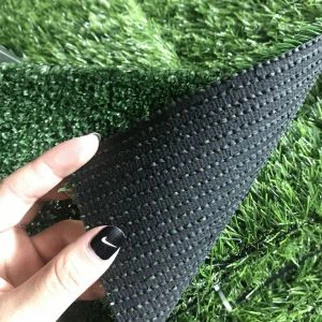
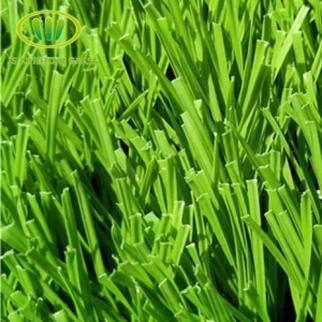
2. Artificial Grass (Synthetic Turf)
Description: Synthetic turf with a sand or rubber infill to mimic natural grass.
Advantages:
Soft surface reduces stress on joints.
Good drainage for outdoor courts.
Low maintenance compared to natural grass.
Suitable for recreational and club-level play.
Best For: Players seeking a softer surface or multi-sport facilities.
3. Clay Courts
Description: Made from crushed stone, brick, or shale, often topped with a loose layer of red or green clay.
Advantages:
Slower playing surface, ideal for strategic play.
Easier on joints due to its softness.
Provides excellent slide ability for players.
Best For: Recreational players and clubs, especially in warmer climates.
4. Asphalt or Concrete Courts
Description: Hard surfaces made from asphalt or concrete, often coated with acrylic layers for better playability.
Advantages:
Highly durable and long-lasting.
Provides a fast playing surface with consistent ball bounce.
Low maintenance and cost-effective.
Best For: Public courts, schools, and recreational facilities.
5. Carpet Courts (Indoor)
Description: Synthetic carpet-like material designed for indoor tennis courts.
Advantages:
Provides a fast and consistent playing surface.
Soft and comfortable underfoot.
Ideal for indoor facilities.
Best For: Indoor tennis clubs and recreational players.
6. Modular Tennis Court Tiles
Description: Interlocking tiles made from polypropylene or rubber, designed for quick installation.
Advantages:
Versatile and portable, suitable for temporary or multi-use courts.
Provides good shock absorption and traction.
Easy to install and maintain.
Best For: Temporary courts, schools, or multi-purpose sports areas.
Key Considerations:
Budget: Acrylic and asphalt are cost-effective, while clay and artificial grass may require higher initial investment.
Climate: Choose surfaces with good drainage (e.g., artificial grass or acrylic) for wet climates, and clay for dry, warm areas.
Player Level: Professional players may prefer acrylic or clay, while recreational players may prioritize comfort and durability.
By selecting the right surface based on your needs, you can ensure a high-quality tennis court that enhances gameplay and lasts for years.