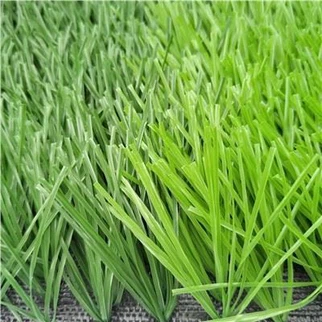
1. Understand Your Application Needs
Before diving into pricing or specifications, the first and most overlooked step is clarifying your project's exact requirements. Are you sourcing for a residential landscape, a public park, or a sports complex? Each application demands different turf features-pile height, density, softness, drainage performance. I recall working with a hotel project in Southeast Asia, where the client initially chose a budget turf with 20mm pile height. Within months, complaints about patchy wear and poor visual appeal poured in. We later replaced it with a 35mm soft landscape turf designed for foot traffic, and the difference was night and day. Never assume one turf fits all.
2. Evaluate the Turf's Technical Specs
Once the use case is clear, it's time to deep-dive into specifications. High-quality synthetic turf should balance softness with durability. Check for stitch rate (the number of rows per 10cm), Dtex (fiber thickness), and pile density. For B2B buyers, these numbers are more than technical jargon-they determine how well the turf performs over time. I often remind clients: a 16,800 Dtex turf sounds solid, but if it's paired with low stitch rates, you'll still end up with weak coverage and early wear. Ask for datasheets and, if possible, physical samples to validate quality beyond just words or photos.
3. Inspect the Backing and Drainage System
Backing is the unseen hero of turf longevity. Triple-layer backings (PP cloth + net + SBR latex) are considered industry-standard for heavy-use applications. Just last year, one of our clients in the Middle East returned with feedback about poor drainage on a playground install. Turns out, their local supplier used dual-layer backing with uneven latex application. Water pooled after every rain, leading to customer complaints. This case emphasized why we always include drainage hole specs and latex weight in our quotes. For outdoor installations, ensure at least 30 drainage holes per square meter and uniform glue coating to prevent mold or warping.
4. Request Certifications and Factory Audits
Reliable manufacturers of artificial grass should be transparent about their production process. Ask for RoHS, REACH, or UV resistance certificates if your market requires compliance. I've worked with procurement officers in Europe who won't move forward without verified lab test reports. For bulk orders, requesting a video factory tour or third-party inspection is becoming common practice. JS, for example, often facilitates video audits for clients in the US and Australia, showcasing machine calibration, raw material sourcing, and packaging lines. These steps build trust and eliminate post-shipment surprises.
5. Don't Forget Post-Sales Support
Bulk orders don't end at shipment. Ensure the supplier can offer installation guidance, warranty terms, and after-sales support. For a large commercial plaza in Chile, we once provided a full installation kit, video tutorials, and even assigned a remote technical advisor during their rollout. That project became a showcase not because of the product alone, but because the service removed friction. Long-term partnerships are built on more than good turf-they rely on good people behind the turf.